culture
Lugano's Ancient Market Transforms: 500 Years of Trade Meets Modern Commerce
While international headlines focus on global shifts, Lugano’s historic market culture continues to adapt, merging centuries-old trade traditions with the demands of a modern cosmopolitan hub.
How we reported this
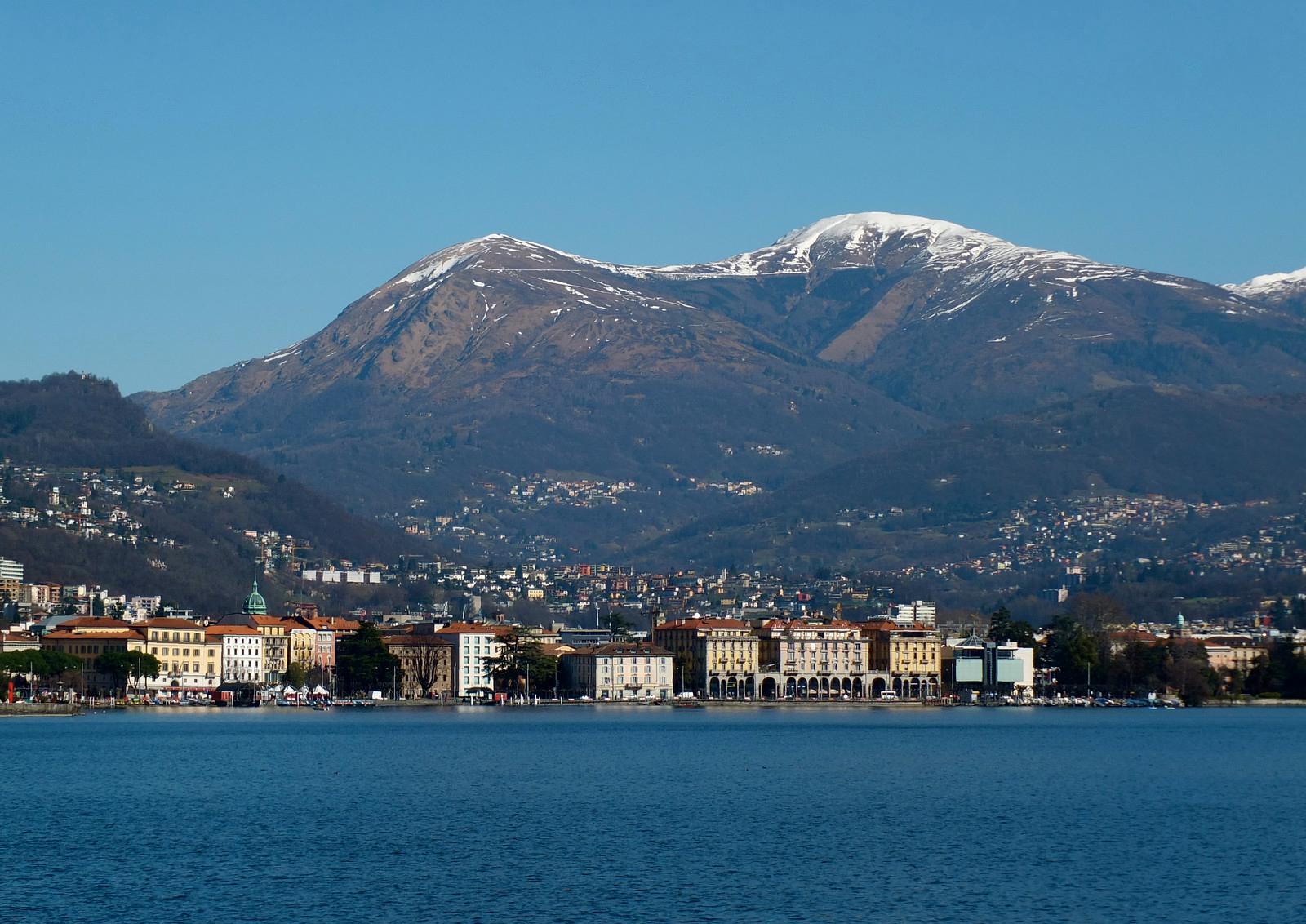
Lugano’s street markets remain the primary pulse of the city, anchoring daily life in the Ticino region. Today, the stalls lining the cobblestones of the old town reflect a tradition that dates back to the early medieval era, serving as the commercial heart of the lakeside city long before the rise of the modern shopping district.
The Shifting Trade Routes of Ticino
The evolution of this market scene is best viewed through the lens of the city's changing demographics. Historically, the markets operated as essential hubs for regional farmers to bring produce from the surrounding valleys down to the urban center near the shores of Lake Lugano. As the city transitioned into a global financial center, the markets underwent a parallel transformation. The Piazza della Riforma, once a purely functional site for grain and livestock trade, now hosts a blend of boutique artisanal goods alongside the traditional fruit and vegetable stalls that have defined the area for generations.
Establishments like the Mercato di Lugano have become focal points for this continuity. Throughout the 20th century, the market survived the expansion of the city’s concrete infrastructure and the arrival of luxury retail, maintaining a foothold near Via Nassa and the surrounding pedestrian corridors. The durability of these markets serves as a counterweight to the rapid digital shifts currently reshaping European urban commerce.
Preserving the Local Pedigree
The structural changes to the city’s market landscape over the past few decades highlight a shift toward high-end local production. Where stalls once prioritized volume, modern vendors focus on the preservation of Ticinese culinary heritage, including specific regional cheeses and cured meats. Organizations such as the local producer cooperatives have successfully lobbied to keep these spaces dedicated to small-scale agriculture, preventing the total commercialization of the central piazzas.
For residents and visitors, the market experience today offers a direct connection to the agricultural history of the region. Those looking to engage with this evolution should visit the morning markets held on Tuesdays and Fridays, where the density of trade remains highest. Navigating the stalls requires an early start, as the most popular artisanal items from the surrounding hills often sell out before noon. As urban development continues to accelerate in the city, the market remains the only venue where the historic, non-digital rhythm of Lugano persists.