policy
Lugano Approves Connect 2030: Ferry Routes, E-Bikes Launch This Fall
Residents can expect initial planning for new ferry routes and e-bike lanes to begin this autumn, though major construction and internet subsidies are slated for 2027.
How we reported this
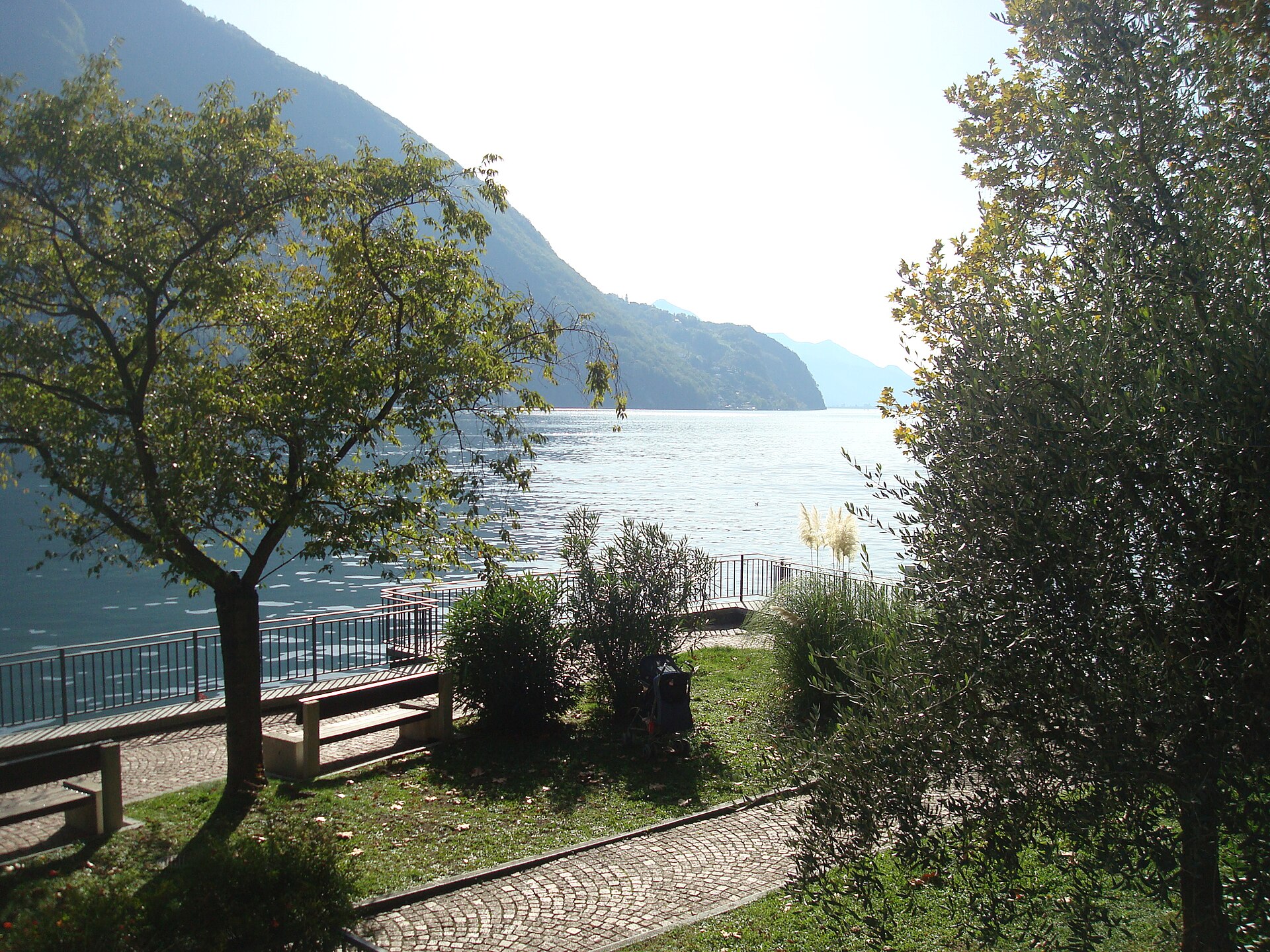
LUGANO, The municipal council has formally approved the “Lugano Connect 2030” initiative, a multi-year strategy designed to upgrade the city’s public transport network and digital infrastructure. The plan directly targets commuters struggling with traffic congestion and residents in older buildings grappling with subpar internet service. While the policy has been passed, most of its tangible benefits for the public are scheduled to arrive in stages over the next three years.
The initiative addresses two persistent challenges for the city. First, traffic along key arteries and the lakeside has become a point of frustration for residents and a challenge for local logistics, particularly during peak tourist seasons. Second, a noticeable gap in high-speed internet access persists between modern developments and older residential districts. Policy documents show the plan aims to bolster Lugano's position as a competitive business hub while improving daily quality of life, aligning with broader cantonal objectives for sustainable development.
New Commutes and Faster Connections
For thousands of Lugano residents, the plan’s most visible changes will be on the water and the roads. The initiative allocates funding to expand the Trasporti Pubblici Luganesi (TPL) ferry service on Lake Lugano, with the goal of creating more direct routes from lakeside communities like Castagnola and Gandria to the city center. Proponents argue this will offer a viable alternative to driving for many commuters. The plan also mandates the creation of new, physically separated lanes for e-bikes and scooters in high-traffic zones, including sections of the downtown core, to improve safety for micromobility users.
On the digital front, “Connect 2030” establishes a municipal fund to co-finance the installation of fiber-optic internet infrastructure in older residential buildings. Homeowners and housing associations in neighborhoods such as Viganello and Molino Nuovo will be able to apply for subsidies to cover a portion of the retrofitting costs. According to the city’s economic development office, the program is intended to close the connectivity gap and ensure equitable access to high-speed internet, which has become an essential utility for remote work and education.
Timeline for Delivery
The rollout of these changes will not be immediate. According to the timeline published by the municipal government, the initial phase in late 2026 will involve public consultations and engineering assessments for the new ferry terminals and bike lane routes. The application portal for the fiber-optic internet subsidies is scheduled to go live in the first quarter of 2027. Residents hoping for immediate relief from traffic or slow internet will need to wait a little longer.
Significant construction work is not expected to commence until the second half of 2027. The city projects that the first of the new ferry services and dedicated e-bike lanes will become operational by mid-2028. The full implementation of the “Connect 2030” plan, including the completion of all major infrastructure projects, is slated for the end of the decade. The initiative is being financed through a combination of municipal bonds and a modest, phased-in increase to a local services levy, as detailed in the city's long-term budget papers.