policy
Lugano Voters Decide Three Issues Reshaping Transit, Water, Housing Costs
Three referendum questions on the July ballot will determine how the city funds public transit, manages water infrastructure, and allocates housing development-each carrying direct consequences for household budgets and neighbourhood change.
How we reported this
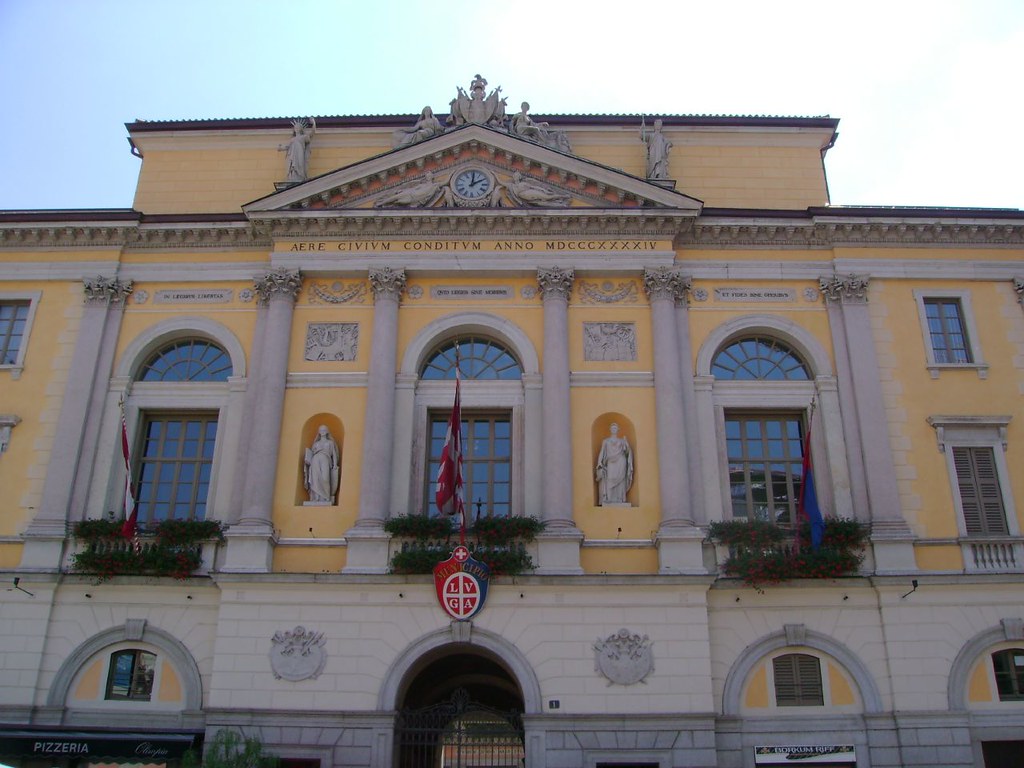
Lugano voters will face three ballot measures on July 23 that carry immediate practical consequences for municipal services, property taxes, and urban development. The measures propose changes to public transit funding, water system upgrades, and residential zoning-decisions that local officials say will determine service quality and affordability for the city's 64,000 residents over the next decade.
The first measure seeks approval to raise municipal transit fees by 8 percent annually through 2031, generating an expected 18 million francs for bus route expansions and maintenance. The current fare structure has remained unchanged since 2019, and city transport officials note that operating costs have risen 34 percent in that period. For a regular commuter using the monthly pass, the change means moving from 92 to roughly 99 francs by next year. The second measure authorizes a 1.2 billion franc bond for water pipe replacement across the city's aging network, with costs spread through a 12 percent increase in water charges over eight years. The third proposes zoning changes in the Cassarate district to permit mixed-income housing on 8.4 hectares of commercial land currently zoned for office parks.
Who Pays, Who Benefits
The transit measure directly affects the 41 percent of Lugano households that use public buses regularly, according to the 2023 Municipal Mobility Survey. Households earning under 60,000 francs annually will qualify for subsidized passes under existing assistance programs, meaning lower-income riders face no fare increase. However, middle-income commuters and office workers will see costs climb. A full-time employee commuting from Cassarate or Viganello to the city centre will pay approximately 120 francs more per year by 2030.
The water infrastructure referendum touches every resident through their utility bills. The 1.2 billion franc bond targets replacement of 340 kilometers of pipe, much of it installed in the 1960s and 1970s. The municipality estimates that without upgrades, water loss from leaks will reach 28 percent by 2035, up from the current 19 percent. The bond does not create new debt but finances replacement through an eight-year repayment schedule. Residents in older neighbourhoods, particularly around Paradiso and Foce, see the most immediate benefit: the water authority has identified 47 kilometres of priority replacements in those districts that currently experience service interruptions during summer demand peaks.
Development and Neighbourhood Change
The Cassarate zoning change remains the most contested measure. The proposal permits construction of 340 residential units across the district, with 95 units designated as affordable rentals (defined as below-market rates for households earning 50,000 to 80,000 francs). The municipality projects the change will add 780 residents and generate approximately 2.8 million francs in annual tax revenue. Residents of adjacent Carona and Massagno neighbourhoods have raised concerns about increased traffic on Via Nassa, though transport planners note the zoning already permits 250 parking spaces as a building requirement.
The ballot guide released by the city clerk's office on June 28 lays out fiscal impact statements for each measure. The transit measure is expected to generate 18.2 million francs over eight years; the water bond requires 174 million francs in repayment from the municipal budget; the zoning change triggers no immediate municipal costs but obligates developers to contribute 1.8 million francs to local school infrastructure expansion. Early voting began June 30, with 8,400 ballots requested by mail as of July 8.
The city council has scheduled three public forums-July 14 at the Civico Hall, July 16 in Cassarate, and July 19 via livestream-where residents can question officials on implementation timelines and cost projections. Final voting occurs on July 23.